The conundrum

I do not have the answer. I thought I’d say that right at the beginning, and save you all the disappointment.

The conundrum: how to write, and survive.

For a few, a very few, the stars align and skill and luck get them a bestseller followed by another bestseller and they never have to worry again*.

Some others never had to worry in the first place. Virginia Woolf famously prescribed a room of one’s own and a private income. And I can see her point. That would be very nice. One can manage without, but my goodness, wouldn’t it be nice.


The rest of us have two choices:

Writing full-time

And spend most of your time writing stuff you don’t particularly want to write, and/or hustling to sell the stuff you’ve written.

The day job

This is the one that works for me. And you don’t have to tell me how lucky I am to have a day job that pays me enough to live on while leaving me enough spare time and enough of my brain to write. I know.


This isn’t just a conundrum for self-published authors, though certainly we have to do more of our own hustling. More than half the professional writers in the UK earn less than the minimum wage – i.e. not enough to live on by any stretch of the imagination. In fact, I probably earn more per book sold than most debut authors published in the mainstream. Though of course I sell fewer books.

Anyway, whichever way you slice it, the sums don’t add up. And there isn’t an answer. I said that at the beginning.

My point is this: I’ve got the utmost respect for anyone who manages to make a living by writing things, and I’ve got the utmost respect for anyone who manages to write while making a living doing something else. I’d buy you all a drink, if only I could afford it.


* Or so I assume. If it ever happens to me I’ll let you know. Actually, I’d probably still find something to worry about.

100 untimed books: fear to feel safe

90. fear to feel safe

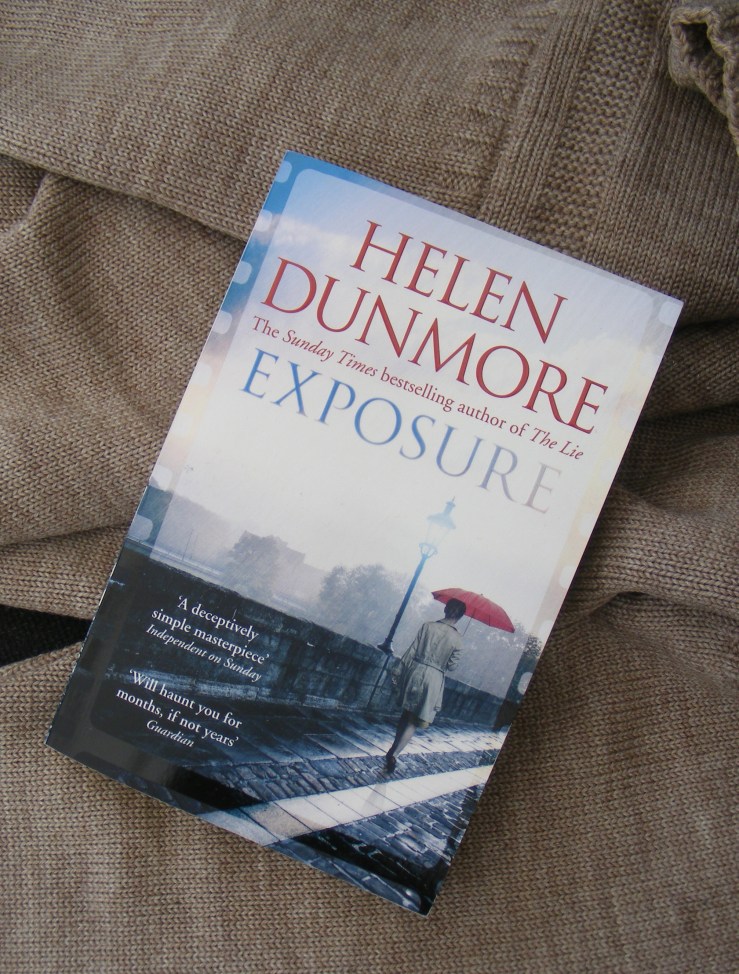
I’d been meaning to make another excursion into the spy thriller genre anyway, and had managed to lose The Spy Who Came In From The Cold (it turned up on Saturday morning, in a plastic bag in a cardboard box of things I’d cleared off the sofa bed). And then the work book club decided to read this. I enjoyed it: some effective twists on a number of tropes that needed a bit of refreshing, and the proper sense of just-because-you’re-paranoid-doesn’t-mean-they’re-not-out-to-get-you.

100 untimed books

Provisioning

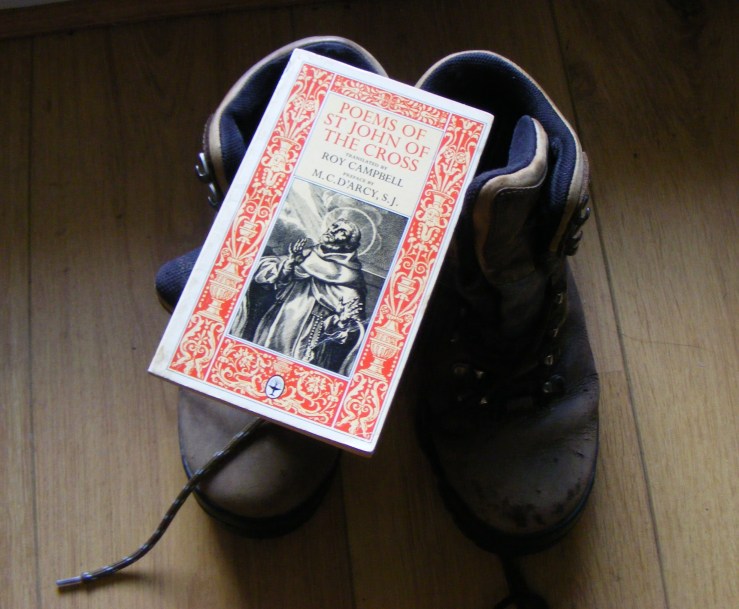
Peanuts give you, gram for gram,
the densest protein ratio, and crisps
(fat and carbohydrate) are best
for energy. Likewise, poetry’s
the most efficient form in which
to take your words. Three slim volumes
(you buy it in slim volumes, like
crisps in bags, unless you get the
multipack, Collected Works)
will make a feast
to last me eighty miles.

The Authors’ Awards

DSCF2336

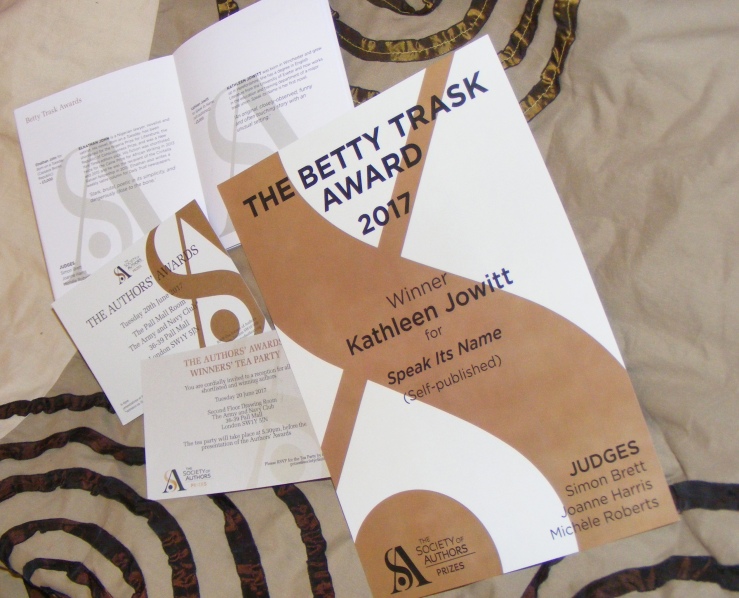
On Tuesday evening, after much fretting over whether my shoes were classy enough for the Army & Navy Club, I headed across London to the Authors’ Awards.

As you can see from the photograph, I came away with a Betty Trask Award (and a cheque for £3000, not pictured).

The winner of the Betty Trask Prize was Daniel Shand, and very well-deserved. Fallow is a seriously good book, funny and creepy and very difficult to put down. Actually, I wouldn’t hesitate to recommend any of the books on the shortlist. They’re all very different from each other, but they’re all of a very high quality.

I got to meet four of my five fellow shortlistees, and they’re all lovely people. In fact, everybody I talked to was absolutely charming. I was half-expecting some snottiness about my being self-published, but in fact my having got so far under my own steam seemed to impress people. And what people! Names that I knew from my bookcase and from my Twitter feed turned out to belong to real live human beings. I tried not to gush too much…

There was wine. There was water. There were little canapés, though I was too nervous to eat much at all. My book was for sale on a table with other people’s books! (Since all my books are sold via print-on-demand, this was something that I’d never seen before, and if I was being flippant I’d say that it did almost as much for my self-esteem as the fact that I was there to receive a very prestigious award…)

Ben Okri, who presented the prizes, gave a speech that affirmed the role of the writer as a person who touches truth, ‘the mystery and the miracle’, and talked about the way that a prize gives you ‘the quiet strength to go on being crazy’. Certainly that resonates with my experience so far…

Well, here’s to the mystery and the miracle that is writing. Tuesday evening, whether it turns out to have been my fifteen minutes of fame or the beginning of the rest of my life, was an event I’ll never forget. And my shoes were fine.

Section 28: the chip on my shoulder

Earlier this week I was an interviewee over at Louise Walters‘ blog, where I talked about my experience as a self-published author and being shortlisted for the Betty Trask Prize. (I really recommend Louise’s blog if you want an insight into the differences between mainstream publishing and self-publishing. She’s done both, and writes about them very eloquently.)

I mentioned in passing my theory that Section 28 had killed off the genre in which my book might have been published conventionally. And I’ve written a longer piece for LGBTQ Reads about that – about my experience as a writer, and about my experience growing up in that context, as someone whose schooling was entirely overshadowed by erasure on a national scale, and who didn’t even know it at the time.

On Tim Farron

I’m Christian. I’m bisexual. I’m a member of the Labour party. And I am finding the tone of the commentary surrounding Tim Farron’s resignation somewhat upsetting.

I am not qualified to make pronouncements on Tim Farron’s beliefs. (Not that this seems to be stopping anyone else.) And so I’m just going to make a couple of observations, in what’s probably a pointless effort to introduce some nuance to the debate. One:

  • In Church language, ‘We’re all sinners’ is usually code for ‘I wish to describe some other group of people as sinful, but know that this will be frowned upon.’ Usually, but not always. However, even if one is inclined to extend the benefit of the doubt, this was at best a massive error of judgement.

Two, and I fear I’m going to be saying this for the rest of my life:

  • The assumption that LGBTQ and religious identities are mutually exclusive does not make life easier for those who happen to have both.

That’s it. Carry on.